
This simple cabbage salad is my favorite last-minute lifesaver. It transforms humble green and red cabbage into a vibrant, crunchy dish with a bright, tangy dressing. This recipe is incredibly versatile, pairing perfectly with rich barbecue, light fish, or even as a fresh taco topping. You will love its incredible crunch and the way the simple vinaigrette wakes up your taste buds. It is proof that the best recipes don’t need a long list of ingredients to be truly memorable.
Recipe Overview
This cabbage salad is all about bold texture and a punchy, citrusy flavor. The heart of this dish is the contrast between the crisp cabbage and the zesty lemon dressing, tied together with a gentle sweetness from maple syrup. It is incredibly quick to prepare, requiring zero cooking and just a few minutes of hands-on time. This is a foolproof recipe for beginner cooks and a staple for busy weeknights.
Ingredients List
For the Salad:
- ½ small head of green cabbage (about 4 cups, shredded)
- ½ small head of red cabbage (about 4 cups, shredded)
- 1 large carrot, peeled and shredded (adds a subtle sweetness and color)
- ¼ cup fresh parsley, chopped (for a burst of herby freshness)
For the Lemon Vinaigrette:
- ¼ cup fresh lemon juice (from about 1.5 lemons). Freshly squeezed lemon juice provides a bright, clean acidity that bottled juice cannot replicate.
- ½ cup extra virgin olive oil. This forms the smooth base of the dressing.
- 1 tablespoon maple syrup or honey. This balances the lemon’s tanginess with a touch of natural sweetness.
- 1 clove garlic, minced. Adds a savory depth without overpowering the salad.
- 1 teaspoon Dijon mustard. This acts as an emulsifier, helping the oil and lemon juice blend into a creamy dressing.
- ½ teaspoon salt
- ¼ teaspoon freshly ground black pepper
Step-by-Step Instructions
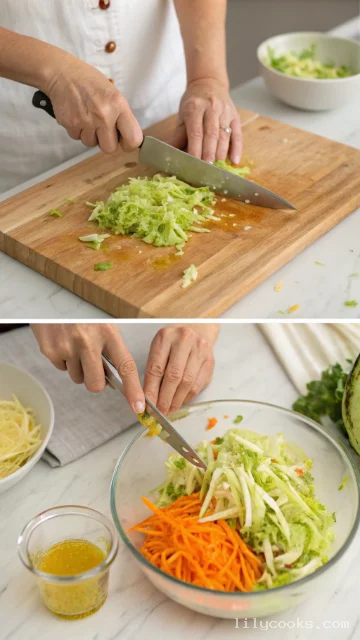
Prep the Vegetables:
Start by removing any wilted outer leaves from the cabbage. Use a sharp chef’s knife to slice the cabbages in half through the core. Cut out the tough white core. Thinly slice the cabbage halves into fine shreds, about ¼ inch thick. For the carrot, use a box grater or a food processor to shred it into fine pieces. Chop your fresh parsley.
Make the Dressing:
In a small bowl, whisk together the fresh lemon juice, Dijon mustard, and minced garlic. While whisking continuously, slowly drizzle in the extra virgin olive oil. This constant motion helps the dressing emulsify into a single, cohesive mixture. Whisk in the maple syrup, salt, and pepper. Give it a taste and adjust the salt or sweetness to your preference.
Toss the Salad:
In a large salad bowl, combine the shredded green cabbage, red cabbage, and shredded carrot. Pour the desired amount of dressing over the top. Start with about three-quarters of the dressing, you can always add more. Toss the salad well using two large spoons or your hands, making sure every shred of cabbage and carrot is coated in the glossy vinaigrette.
Let It Rest:
This step is crucial for the best flavor. Let the dressed cabbage salad sit at room temperature for 10 to 15 minutes before serving. This brief rest allows the cabbage to slightly soften and absorb the dressing’s flavor while maintaining its signature crunch.
Final Toss and Serve:
Give the salad one final toss, add the chopped fresh parsley, and sprinkle with a little more flaky sea salt if desired. It is now ready to be served as a refreshing and flavorful side dish.
Tips for Success
- Slice it Thin: The key to a great cabbage salad is the texture. Thinly sliced cabbage is much more enjoyable to eat and absorbs the dressing better. Use a mandoline or a sharp knife for the best results.
- Massage for Tenderness: If you prefer a slightly less crunchy salad, place the shredded cabbage in a bowl and sprinkle with a pinch of salt. Gently massage the cabbage with your hands for a minute or two until it begins to wilt and soften.
- Dressing Balance: A great vinaigrette is all about balance. Taste your dressing before adding it to the salad. If it’s too tart, add a bit more maple syrup. If it’s too sweet, add a squeeze more lemon.
Serving Suggestions

This simple cabbage salad is unbelievably versatile. It shines as a classic side dish for grilled meats like steak, burgers, or barbecue pulled pork, where its acidity cuts through the rich, smoky flavors. It also makes a fantastic, light lunch when topped with grilled chicken or salmon. For a fun twist, serve it as a fresh, crunchy topping for fish tacos or alongside spicy dishes like enchiladas or jerk chicken. For a beautiful presentation, serve the salad in a large, shallow bowl and sprinkle the fresh parsley over the top just before serving to keep its vibrant green color.
Storage Tips
Refrigeration: This simple cabbage salad is best enjoyed fresh, but it can be stored in an airtight container in the refrigerator for up to 3 days. The cabbage will soften as it sits, but it will still be delicious. Leftover dressing can be stored separately in a jar in the fridge for up to a week.
Freezing: Freezing is not recommended for this salad, as cabbage has a high water content and will become mushy and watery upon thawing.
Can I use a different type of vinegar?
Yes, apple cider vinegar or white wine vinegar are excellent substitutes for the lemon juice, offering a slightly different but equally delicious tangy flavor.
What other vegetables can I add to this salad?
This recipe is highly adaptable. Feel free to add thinly sliced bell peppers, red onion, shredded Brussels sprouts, or even some toasted almonds for extra crunch.
Can I make this cabbage salad in advance?
Absolutely. You can shred the vegetables up to a day ahead and store them in the refrigerator. For the best texture, add the dressing no more than an hour before serving. If you need to store it dressed, it is fine for up to 2 days.
My dressing separated. How do I fix it?
If your vinaigrette separates, simply whisk it vigorously again. Adding a little more Dijon mustard next time will help it stay emulsified longer.
Is this a creamy or vinaigrette-style salad?
This is a bright, citrusy vinaigrette-style salad. For a creamy version, you can replace half the olive oil with plain Greek yogurt or mayonnaise.
Conclusion
This simple cabbage salad proves that fresh, vibrant ingredients can create something truly special with very little effort. I hope you enjoy the crisp texture and zesty flavor as much as I do. Try this recipe for your next gathering or weeknight dinner, and do not forget to share your photos and thoughts in the comments below. It is a joy to hear how these simple recipes become part of your kitchen story.
simple cabbage salad
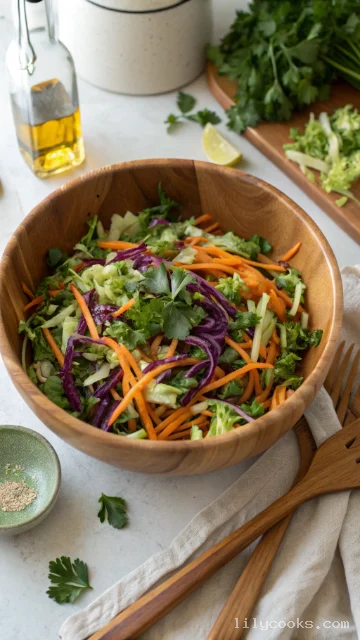
This cabbage salad is all about bold texture and a punchy, citrusy flavor. The heart of this dish is the contrast between the crisp cabbage and the zesty lemon dressing, tied together with a gentle sweetness from maple syrup. It is incredibly quick to prepare, requiring zero cooking and just a few minutes of hands-on time. This is a foolproof recipe for beginner cooks and a staple for busy weeknights.
Ingredients
- ½ small head of green cabbage (about 4 cups, shredded)
- ½ small head of red cabbage (about 4 cups, shredded)
- 1 large carrot, peeled and shredded (adds a subtle sweetness and color)
- ¼ cup fresh parsley, chopped (for a burst of herby freshness)
- For the Lemon Vinaigrette:
- ¼ cup fresh lemon juice (from about 1.5 lemons). Freshly squeezed lemon juice provides a bright, clean acidity that bottled juice cannot replicate.
- ½ cup extra virgin olive oil. This forms the smooth base of the dressing.
- 1 tablespoon maple syrup or honey. This balances the lemon's tanginess with a touch of natural sweetness.
- 1 clove garlic, minced. Adds a savory depth without overpowering the salad.
- 1 teaspoon Dijon mustard. This acts as an emulsifier, helping the oil and lemon juice blend into a creamy dressing.
- ½ teaspoon salt
- ¼ teaspoon freshly ground black pepper
Instructions
Prep the Vegetables:Start by removing any wilted outer leaves from the cabbage. Use a sharp chef's knife to slice the cabbages in half through the core. Cut out the tough white core. Thinly slice the cabbage halves into fine shreds, about ¼ inch thick. For the carrot, use a box grater or a food processor to shred it into fine pieces. Chop your fresh parsley.
Make the Dressing:In a small bowl, whisk together the fresh lemon juice, Dijon mustard, and minced garlic. While whisking continuously, slowly drizzle in the extra virgin olive oil. This constant motion helps the dressing emulsify into a single, cohesive mixture. Whisk in the maple syrup, salt, and pepper. Give it a taste and adjust the salt or sweetness to your preference.
Toss the Salad:In a large salad bowl, combine the shredded green cabbage, red cabbage, and shredded carrot. Pour the desired amount of dressing over the top. Start with about three-quarters of the dressing, you can always add more. Toss the salad well using two large spoons or your hands, making sure every shred of cabbage and carrot is coated in the glossy vinaigrette.
Let It Rest:This step is crucial for the best flavor. Let the dressed cabbage salad sit at room temperature for 10 to 15 minutes before serving. This brief rest allows the cabbage to slightly soften and absorb the dressing’s flavor while maintaining its signature crunch.